
How to Apply Hair Oil Correctly in Pakistan
Learn how to apply hair oil correctly in Pakistan with this step-by-step guide. Discover the best oils, champi technique, timing, and mistakes to avoid for healthy hair.
HAIR OIL
Written by Ali Raza CEO, Ollexo | 10+ Years of Experience in the Oil Industry Ali Raza is the CEO of Ollexo with over a decade of hands-on experience in the oil industry
4/2/202615 min read
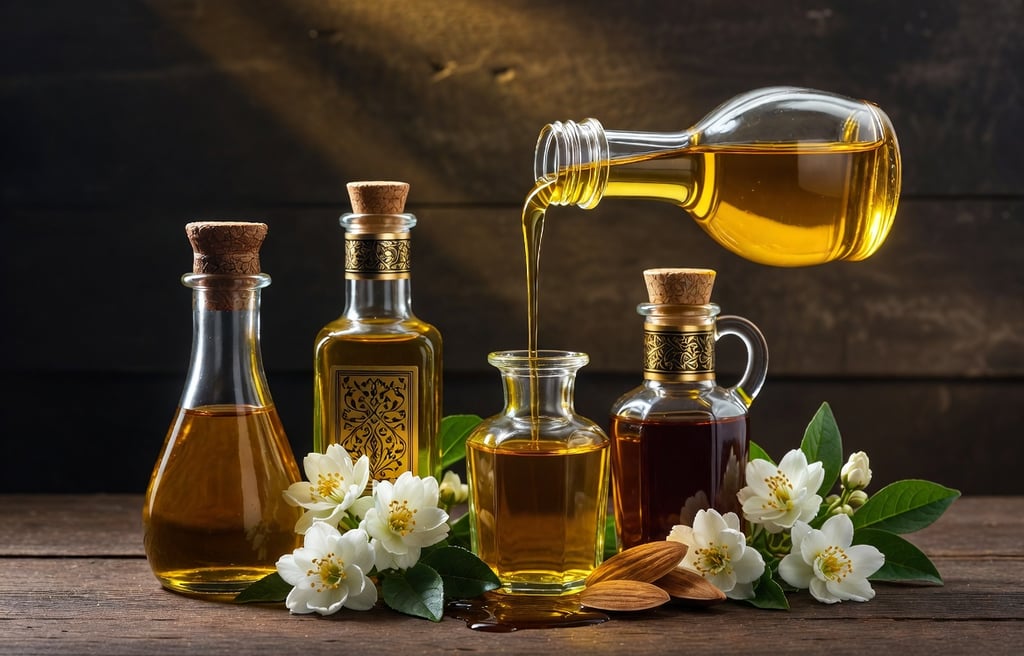
How to Apply Hair Oil Correctly in Pakistan: The Complete Step-by-Step Guide (2026)
You've probably been oiling your hair since childhood. It's practically a Pakistani tradition, passed down from mothers and grandmothers who swore by a good champi. But most of us were never taught the how, only the habit, and applying oil the wrong way can actually cause more hair fall, clogged follicles, and breakage than no oiling at all. In this guide, you'll learn the exact step-by-step method for applying hair oil correctly, which oils work best for Pakistan's climate, and the mistakes you need to stop making right now.
Key Takeaways
Hair oiling works best when applied to the scalp using circular massage motions, left on for at least 1 to 2 hours, and washed out with a gentle shampoo, not just spread on hair and rinsed immediately.
Pakistan's hard water, intense sun, and dusty climate make regular oiling more important than in milder climates, as these factors strip moisture and weaken the hair shaft faster.
Coconut oil reduces hair protein loss during washing, making it one of the most scientifically validated oils for regular use, and it's widely available and affordable across Pakistan.
The most common oiling mistake is applying too much product too frequently. Over-oiling clogs scalp follicles and can worsen hair fall rather than prevent it.
Warming the oil slightly before application improves absorption into the hair shaft and increases blood circulation in the scalp, amplifying the benefits of a champi massage.
Different hair concerns require different oils. Mustard oil improves circulation for dry, thick hair; almond oil suits fine or oily hair; castor oil targets thinning specifically.
Consistency beats quantity. Oiling once or twice a week with correct technique outperforms daily oiling done incorrectly.
What Is Hair Oiling and How Does It Actually Work on Your Scalp?
Hair oiling is the practice of applying natural or infused oil directly to the scalp and hair lengths to reduce protein loss, improve moisture retention, and stimulate blood circulation in the hair follicles. It is one of the oldest and most scientifically supported hair care rituals in South Asian culture, and for good reason.
There are two distinct types of hair oiling, and understanding the difference is the first step to getting it right. Scalp oiling targets the roots and follicles, addressing concerns like dandruff, hair fall, and an itchy or dry scalp. Length oiling focuses on applying oil from mid-shaft to the ends to combat dryness, split ends, and frizz.
When oil is massaged into the scalp, it doesn't just sit on the surface. Research published in the Journal of Cosmetic Science found that coconut oil, due to its low molecular weight, is one of the only oils that genuinely penetrates the hair shaft rather than merely coating it. This reduces the protein loss that occurs during washing and heat styling, meaning your hair literally retains more of its structure when you oil consistently and correctly.
The champi, the traditional Pakistani scalp massage, also has a measurable physiological effect. A 2016 study found that standardized scalp massage for just 4 minutes a day over 24 weeks increased hair thickness by stimulating the dermal papilla cells responsible for hair growth. Source: Ito et al., Eplasty, 2016. Traditional wisdom and modern science, for once, fully agree.
[Insert image: Cross-section diagram of hair shaft showing oil penetration vs. coating | Alt text: "Coconut oil penetrating hair shaft compared to surface coating oils"]
Why Is Hair Oiling Especially Important for Hair Health in Pakistan?
Hair oiling is especially critical in Pakistan because the country's environmental conditions, including hard water, extreme heat, dust, and intense UV exposure, actively damage the hair shaft in ways that oiling directly counteracts. If you've noticed your hair feels rougher, breaks more easily, or looks dull despite regular washing, your environment is likely a major factor.
Pakistan's Hard Water Problem
Hard water, meaning water with a high concentration of dissolved calcium and magnesium, is a widespread issue in cities like Karachi, Lahore, and Islamabad. Hard water raises the hair's surface pH, causing the cuticle to lift and become rough, which leads to frizz, tangling, and increased breakage. A study published in the International Journal of Trichology confirmed that hard water significantly reduces hair tensile strength. Source: Srinivasan et al., 2016. Regular oiling coats the hair shaft before washing, providing a protective barrier against mineral buildup.
Heat, Dust, and UV Exposure
Pakistan's summers regularly push temperatures above 40°C in many regions. UV radiation degrades the hair's keratin proteins and strips natural moisture from the cuticle. Dust particles from dry, arid environments also settle on the scalp, mixing with sebum to clog follicles, which is why choosing the right oiling frequency matters so much. Pre-wash oiling creates a protective layer that shields hair from both thermal stress and particulate damage.
The Nutritional Factor
Nutritional deficiencies, particularly in iron, Vitamin D, and biotin, are common in Pakistan and directly impact hair health. While oiling alone can't fix a dietary gap, it supports the scalp environment that healthy hair growth depends on.
Which Hair Oil Is Best for Your Hair Type and Concern in Pakistan?
The best hair oil in Pakistan depends on your specific hair type and concern. Coconut oil suits most hair types as a pre-wash treatment, while mustard, castor, and almond oils each target specific issues like dryness, thinning, and scalp circulation. Here is a practical breakdown of the most commonly available and effective oils in Pakistan.
Hair Oil Best For Hair Type Where to Buy in Pakistan Coconut Oil Protein loss, general nourishment All types Supermarkets, kirana stores Mustard Oil Scalp circulation, dryness, warmth Thick, dry, coarse Widely available everywhere Almond Oil Lightweight moisture, shine Fine, oily, normal Pharmacies, beauty stores Castor Oil Hair thinning, eyebrow/lash growth Thinning, sparse Pharmacies, online Olive Oil Deep conditioning, frizz control Dry, chemically treated Supermarkets Kalonji Oil Hair fall, scalp inflammation All types, especially fall-prone Health stores, online
Coconut Oil: The Scientifically Validated Choice
Coconut oil is one of the few oils proven to penetrate the hair shaft and reduce protein loss during washing, making it suitable for almost every hair type as a weekly pre-wash treatment. It is widely available across Pakistan at highly affordable price points and is a strong first choice for anyone starting a regular oiling routine.
Mustard Oil: The Punjab Favourite
Mustard oil (sarson ka tel) is deeply embedded in Pakistani hair care tradition, particularly in Punjab. Its warming properties increase blood microcirculation in the scalp, which encourages nutrient delivery to the hair follicles. It is best suited for thick, dry, or coarse hair, but its strong smell makes it less popular in urban settings.
Almond Oil: Lightweight and Vitamin-Rich
Almond oil is rich in Vitamin E and has a light molecular structure that makes it ideal for fine, oily, or normal hair that feels weighed down by heavier oils. Dabur Badam Tail is one of the most widely recognized almond oil products available in Pakistani pharmacies and supermarkets.
Castor Oil: The Hair Growth Specialist
Castor oil is best used as a targeted treatment for areas of thinning hair, rather than as an all-over oil. Its high viscosity and ricinoleic acid content have been associated with improved scalp circulation and reduced scalp inflammation. Apply it in small amounts directly to thinning patches, mixed with a lighter carrier oil to make it easier to spread.
Kalonji Oil: The Traditional Remedy with Modern Backing
Kalonji (Nigella sativa) oil has been used in South Asian and Middle Eastern hair care for centuries, and emerging research supports its role in reducing hair fall due to its anti-inflammatory and antioxidant properties. You'll find it in most health and herbal stores across Pakistan.
How to Apply Hair Oil Correctly: A Step-by-Step Guide for Pakistani Hair
Correct hair oil application involves sectioning the hair, massaging warmed oil into the scalp using circular fingertip motions for 5 to 10 minutes, and leaving it on for a minimum of one to two hours before washing out with a gentle shampoo. Follow these eight steps precisely and you will immediately notice a difference in results.
[Insert image: Step-by-step hair oiling visual guide with labeled sections | Alt text: "Step-by-step guide to applying hair oil correctly for Pakistani hair"]
Step 1: Slightly Warm the Oil (But Don't Overheat It)
Warming oil before application improves its viscosity and enhances absorption into the hair shaft, which is why your nani's champi always felt more effective than a cold, straight-from-the-bottle massage. Place your oil bottle in a bowl of hot water for 2 to 3 minutes, or warm it gently in a small pan on low heat for under a minute. Never microwave oil directly as it heats unevenly and can cause hot spots. The oil should feel warm on your wrist, not hot.
Step 2: Section Your Hair Before Applying
Sectioning your hair into four parts before oiling ensures the oil reaches the scalp evenly rather than just sitting on the surface of your hair. Use a comb or your fingers to divide hair into two horizontal sections (top and bottom) and two vertical sections (left and right). Clip or tie the sections you're not working on. This step is the single most skipped step in Pakistani households, and skipping it is exactly why many people feel like oiling "doesn't work."
Step 3: Apply to the Scalp First Using Fingertips
Apply oil directly to the scalp using your fingertip pads, not your palms, not your nails. Use a dropper or your fingertips to place small dots of oil along each parting line. Your nails can scratch the scalp and cause micro-abrasions. Your palms transfer most of the oil to your hair surface rather than the scalp. Work section by section, dropping small amounts of oil every centimetre or so along each parting.
Step 4: Massage in Circular Motions for 5 to 10 Minutes (The Champi Technique)
The champi massage technique involves applying firm but gentle circular pressure to the scalp using all five fingertips simultaneously, moving in small rotational movements across the entire scalp. This is the most important step as the massage itself triggers blood circulation, which brings nutrients to the hair follicles and stimulates growth. Spend at least 5 minutes on this step; 10 minutes is ideal.
Move systematically: start at the hairline, work toward the crown, then down to the nape. Don't scratch, rub back and forth, or tug the roots as this causes mechanical breakage and defeats the entire purpose of the ritual.
Step 5: Apply Remaining Oil to the Lengths and Ends
After massaging the scalp, distribute any remaining oil on your fingertips through the mid-lengths and ends of your hair. The ends are the oldest, most fragile part of your hair and they need moisture most. You don't need to apply fresh oil to the lengths; what remains on your hands after the scalp massage is usually sufficient. For very dry or chemically treated hair, you can apply a small additional amount to the ends only.
Step 6: Cover With a Warm Towel or Shower Cap
Wrapping your oiled hair in a warm towel or shower cap creates heat that opens the hair cuticle, allowing deeper oil penetration. Dampen a towel with hot water, wring it out, and wrap it around your head like a turban for 20 to 30 minutes. Alternatively, wear a shower cap to retain body heat. This step transforms a standard oiling session into something closer to a professional hot oil treatment.
Step 7: Leave the Oil In for Minimum 1 to 2 Hours (Ideally Overnight)
Hair oil should remain on the scalp for at least one to two hours for meaningful absorption to occur. Rinsing it off after 15 to 20 minutes provides almost no benefit beyond surface shine. Leaving oil in overnight, wrapped in a loose braid or covered with a cotton pillowcase, maximises absorption and gives the scalp massage time to work its circulation benefits.
For people with very oily scalps, a minimum of 1 to 2 hours is sufficient. For dry, damaged, or colour-treated hair, overnight oiling once a week is highly beneficial.
Step 8: Wash Out With a Gentle Sulfate-Free Shampoo
Washing out hair oil requires applying shampoo to dry oiled hair first, before adding water, to emulsify the oil effectively without stripping the scalp. This is a technique most people don't know, and it makes a significant difference in how cleanly the oil washes out. Apply a small amount of shampoo directly to the oily scalp, massage gently to create a lather, and then add water.
Avoid sulfate-heavy shampoos for post-oil washes as sulfates are effective degreasers but strip the scalp's natural moisture barrier, negating part of the benefit of oiling. Locally available sulfate-free options include Dove Intense Repair, Head & Shoulders Smooth & Silky (milder formula), and Sunsilk Natural Recharge.
How Long Should You Leave Hair Oil In — 30 Minutes, Overnight, or Longer?
Hair oil should be left in for a minimum of one to two hours for basic absorption, with overnight application offering the maximum benefit for dry, damaged, or fall-prone hair. Leaving oil in for only 20 to 30 minutes is a common practice in Pakistani households that significantly limits the oil's effectiveness.
Here is a practical guide based on hair concern:
30 minutes: Acceptable only if you're in a rush; suitable for oily scalp types as a quick nourishment session.
1 to 2 hours: The recommended minimum for most hair types. Provides meaningful scalp absorption and some moisture benefits to lengths.
4 to 6 hours: Ideal for normal to dry hair, offering deeper shaft penetration and better conditioning of the ends.
Overnight (6 to 8+ hours): Best for dry, damaged, colour-treated, or very fall-prone hair. Cover hair with a soft cotton cloth or loose braid to prevent breakage from friction during sleep.
Leaving oil in for longer than 24 hours is not recommended, as oil sitting on the scalp for extended periods can mix with sweat, dust, and dead skin cells to create a humid environment that encourages fungal growth and dandruff.
Should You Apply Hair Oil on Dry Hair or Wet Hair?
Hair oil should always be applied to dry hair, not wet hair. This is one of the most common points of confusion in hair care advice, and the science is clear: wet hair has a swollen, slightly raised cuticle that is more fragile and more susceptible to protein loss. Applying oil to wet hair also dilutes the oil and prevents it from reaching the scalp effectively.
Moreover, massaging wet hair puts mechanical stress on the swollen shaft, which dramatically increases breakage risk. The traditional Pakistani practice of applying oil before washing, on dry hair, is entirely correct from a trichological standpoint. Apply oil to clean, dry hair on a day you plan to shampoo the next day, or at least a few hours later.
How Often Should You Oil Your Hair in Pakistan's Hot and Humid Climate?
In Pakistan's climate, hair care experts generally recommend oiling two to three times per week in winter and once to twice per week in summer for optimal scalp health. Frequency should also be adjusted for hair type as oily scalps need less oiling while dry scalps benefit from more.
Over-oiling is a genuinely common problem in Pakistan. Applying oil daily creates a coating that traps dust, sweat, and particulate matter on the scalp, a serious concern in cities with high air pollution like Karachi and Lahore. This buildup can clog follicles and contribute to the very hair fall it's meant to prevent.
Use this seasonal frequency guide as your baseline:
Winter (November to February): 2 to 3 times per week. Cold, dry air strips moisture, and scalp circulation benefits from regular champi.
Summer (May to August): 1 to 2 times per week. Heat and humidity increase scalp sebum production; over-oiling worsens greasiness.
Monsoon and Spring: 1 to 2 times per week, with attention to washing thoroughly given increased humidity and sweat.
What Are the Most Common Hair Oiling Mistakes That Cause Hair Fall?
Over-oiling the scalp, meaning applying oil daily or in excessive quantities, can clog hair follicles, trap dirt and dust, and worsen hair fall rather than prevent it. Beyond frequency, several specific technique errors can transform oiling from a beneficial habit into a damaging one.
Here are the most common mistakes and exactly what to do instead:
Applying too much oil. A few drops per section is sufficient. Excess oil sits on the scalp surface, collects dust, and is harder to wash out, requiring extra shampooing that dries the scalp.
Rubbing vigorously instead of massaging in circles. Vigorous back-and-forth rubbing creates friction that breaks hair at the root. Use gentle rotational pressure with fingertip pads only.
Using cold oil. Cold oil has higher viscosity and doesn't spread or absorb effectively. Always warm oil to at least room temperature before applying.
Applying oil to dirty hair. Oiling over a buildup of sweat, dead cells, and pollution residue means the oil has to penetrate through a barrier of debris, reducing its scalp benefits significantly. Oiling is most effective on a relatively clean scalp.
Washing out too quickly. As covered above, 30 minutes or less provides minimal benefit. Patience is the single cheapest upgrade to your oiling routine.
Oiling every single day. Daily oiling clogs follicles, attracts dust, and disrupts the scalp's natural sebum balance. More is not better. Consistency over time at 1 to 3 times per week outperforms daily oiling in every measure.
What Are the Best Hair Oil Brands Available in Pakistan Right Now?
The best hair oil brands in Pakistan include Hemani, Vatika, Dabur, Silky Cool, Bio Amla, and Habib's Mustard Oil, all widely available in supermarkets, pharmacies, and online marketplaces like Daraz.pk at accessible price points.
Here's a quick practical overview:
Hemani: Pakistani herbal brand with an extensive range including black seed oil, almond oil, and mixed herbal formulations. Highly regarded for quality and local availability.
Vatika Enriched Coconut Hair Oil: Popular for its coconut base enriched with henna, amla, and lemon. Widely available and well-suited for general nourishment.
Dabur Badam Tail (Almond Oil): One of the most trusted almond oils in the market, lightweight and suitable for fine hair.
Bio Amla Hair Oil: Amla-based oil suited for strengthening brittle hair; widely available at low price points.
Silky Cool: Budget-friendly, widely distributed oil suitable for everyday scalp massage use.
Habib's Mustard Oil: Widely used in traditional champi practices, especially in Punjab and rural households.
DIY Herbal Oil Infusions: The Pakistani Household Upgrade
Many Pakistani households enhance store-bought or pure oils with herbal ingredients. Common additions include methi dana (fenugreek seeds), kalonji (black seeds), and curry leaves, simmered gently in coconut or mustard oil to create potent infused oils. These herbal additions have documented anti-inflammatory and circulation-stimulating properties.
To make a basic herbal infusion: heat 100ml of your base oil on low flame, add 1 tablespoon of kalonji or methi seeds, and simmer for 5 to 7 minutes. Cool, strain, store in a glass bottle, and use within 3 to 4 weeks.
Can You Mix Hair Oils Together for Better Results?
Yes, mixing hair oils can be effective when each oil addresses a different concern, but combinations should be intentional rather than random. The most effective approach is to use one penetrating oil like coconut as a base and add one or two targeted oils in smaller proportions.
A practical Pakistani-context blend for hair fall is 70% coconut oil + 20% castor oil + 10% kalonji oil. This combination provides protein-loss protection from coconut, scalp stimulation from castor, and anti-inflammatory support from kalonji. Mix in small batches, warm before use, and apply using the same sectioning and massage technique described above.
Avoid mixing more than three oils at once. It becomes difficult to identify which oil is causing a reaction if your scalp responds negatively.
How Do You Wash Out Hair Oil Properly Without Leaving Residue?
Washing out hair oil properly requires applying shampoo to dry oiled hair before adding water, which emulsifies the oil and allows it to rinse cleanly without leaving a greasy residue. This single technique change resolves the most common complaint about hair oiling: that the hair still feels heavy and oily after washing.
Follow this wash-out method:
Apply shampoo generously to your dry, oiled scalp. Do not wet hair first.
Massage the shampoo into the scalp for 2 to 3 minutes to emulsify the oil.
Add water and continue massaging to build a lather.
Rinse thoroughly with lukewarm water, not hot, as hot water strips the scalp.
If hair still feels oily, repeat with a second application of shampoo.
Condition the lengths and ends only. Avoid applying conditioner to the scalp.
For heavy oils like castor or mustard, two rounds of shampooing are often necessary. This is normal and expected. It's not a reason to avoid these oils, just a practical workflow adjustment.
What's Next: Building a Complete Hair Care Routine Around Oiling
Hair oiling is most effective as one pillar of a complete routine, not a standalone fix for all hair concerns. Once you've mastered the correct oiling technique, the logical next step is building a consistent weekly routine that supports it.
Here's a simple weekly template suited to Pakistan's climate:
Sunday night: Oil (2 to 3 sections, champi massage, overnight if possible)
Monday morning: Wash with sulfate-free shampoo, condition ends
Wednesday or Thursday: Light scalp oil if scalp feels dry (shorter duration, 1 to 2 hours)
Friday: Wash again as needed based on scalp oiliness
Beyond oiling, your hair's health depends heavily on what happens between washes. Reducing heat styling, protecting hair from direct sun in summer, switching to a wide-tooth comb on wet hair, and addressing any nutritional gaps will amplify everything your oiling routine is doing.
If hair fall remains a concern despite consistent correct oiling, it may indicate an underlying cause such as iron deficiency, thyroid imbalance, or scalp infection that requires professional evaluation. A correct oiling routine supports hair health but is not a substitute for medical treatment where needed.
[Insert image: Simple weekly hair care routine calendar for Pakistani climate | Alt text: "Weekly hair care routine for Pakistan with oiling schedule and wash days"]
Conclusion: Make Every Drop Count
Hair oiling has been a cornerstone of Pakistani hair care for generations, and it deserves to stay that way. But tradition without technique only gets you so far. The difference between oiling that genuinely transforms your hair and oiling that goes nowhere comes down to a few critical details: warming the oil, sectioning properly, massaging with intention, leaving it in long enough, and washing it out correctly.
You don't need to overhaul your entire routine. Start with one change, maybe warming your oil before the next champi, or leaving it on overnight instead of an hour. Notice the difference. Add the next step. Over time, these small adjustments compound into real, visible results.
Pakistan's climate is tough on hair. But with the right knowledge, your champi ritual becomes one of the most powerful tools in your hair care arsenal. Consistency, technique, and the right oil for your hair type — that's all it takes to make every drop count.
Written by Ali Raza CEO, Ollexo | 10+ Years of Experience in the Oil Industry Ali Raza is the CEO of Ollexo with over a decade of hands-on experience in the oil industry. He is passionate about sharing practical insights on oil quality, usage, and real-world applications drawn from years of industry leadership.