
The Best Hair Oil for Oily Scalp in Pakistan
Discover the best hair oil for oily scalp in Pakistan. Lightweight, non-greasy formulas that balance sebum, with expert tips for Pakistan's climate
HAIR OIL
Written by Ali Raza CEO, Ollexo | 10+ Years of Experience in the Oil Industry. He has over a decade of hands-on experience in the oil formulation and hair care industry.
4/14/202614 min read
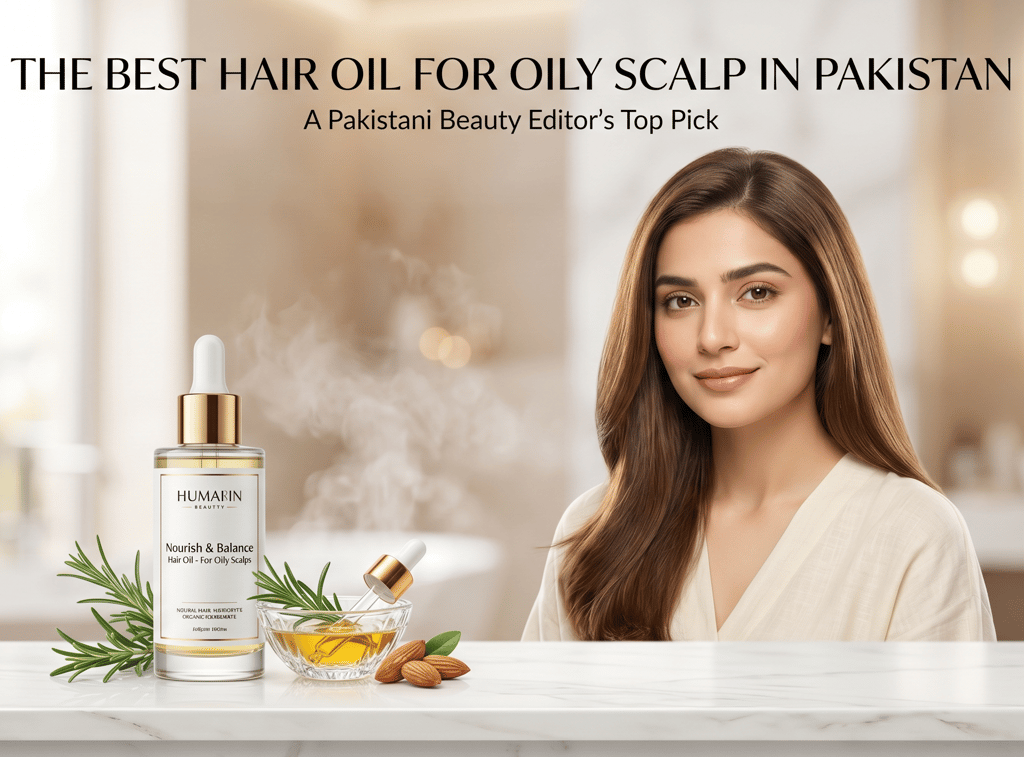
The Ultimate Guide to the Best Hair Oil for Oily Scalp in Pakistan (2026): Lightweight, Non-Greasy Formulas That Actually Work
You've probably been told your whole life that oil is the secret to long, healthy Pakistani hair — and you've likely tried every bottle your nani recommended. But if your scalp turns greasy within hours of washing and feels heavy no matter what you do, the problem isn't that you're oiling wrong — it's that you're using the wrong kind of oil entirely. In this guide, you'll discover exactly which lightweight, non-greasy hair oils work for oily scalps in Pakistan's climate, the ingredients to seek out and avoid, and the one simple application technique that transforms your oiling routine.
Key Takeaways
Lightweight hair oils with low comedogenic ratings such as jojoba, rosemary, and tea tree can actually regulate excess scalp oil production rather than worsening it.
Pakistan's humid climate, hard water, and high-heat seasons are leading environmental triggers of oily scalp, making ingredient choice more critical here than in cooler or drier regions.
Heavy traditional oils like coconut oil and sarson (mustard) oil have high comedogenic indices and are not recommended for oily or grease-prone scalps.
The correct application method for oily scalps involves applying oil primarily to the mid-lengths and ends — not the roots — using a pre-shampoo technique rather than overnight oiling.
Ollexo's lightweight hair oil is formulated specifically for Pakistan's climate and oily scalp needs, delivering nourishment without residue or heaviness.
Oiling frequency for oily scalps should not exceed once per week, with reduced frequency during Pakistan's monsoon months (July–September) to prevent buildup.
A well-chosen hair oil paired with a clarifying shampoo and a consistent weekly routine can reduce excess oiliness, improve scalp health, and restore hair volume within 4–6 weeks.
What Is a Lightweight Hair Oil and How Is It Different from Regular Hair Oil?
A lightweight hair oil is one with a low comedogenic rating and small molecular size that absorbs quickly into the hair shaft without sitting on the scalp surface or clogging follicles. This is the single most important distinction you need to understand before buying any hair oil for an oily scalp.
Regular or heavy oils such as coconut oil, castor oil, and sarson tel have large molecular structures. They coat the outside of the hair and scalp instead of penetrating them. For someone with an already overactive sebaceous gland, this surface coating traps existing sebum underneath, making greasiness dramatically worse by the next morning.
Lightweight or dry oils, on the other hand, absorb within minutes. They deliver moisture and nutrients directly into the hair cortex, which is exactly where nourishment is needed. The scalp surface stays clean, breathable, and balanced.
The comedogenic index is your most useful tool here. It rates oils on a scale of 0 to 5 based on how likely they are to block follicles. For oily scalp types, always choose oils rated 0 to 2. Jojoba oil scores a 2, rosemary oil scores a 0, and tea tree oil scores a 0. Coconut oil scores a 4, which is why it belongs on a shelf and not on an oily scalp.
Why Do Pakistani Women Struggle More with Oily Scalp Than Women in Other Climates?
Oily scalp in Pakistan is often aggravated by high ambient humidity, hard water with elevated mineral content, and the cultural practice of applying heavy ancestral oils directly to the roots, all of which compound sebum buildup. Understanding why your scalp overproduces oil is the first step toward fixing it.
Pakistan's Humidity Problem
Pakistan's climate varies dramatically by city, but almost every major urban center has at least one season that turns scalp oiliness into a daily battle. Karachi's coastal humidity hovers around 70 to 80% for most of the year, which means sweat and sebum mix constantly on the scalp surface. Source: Pakistan Meteorological Department, 2023. Lahore and Rawalpindi, though drier in winter, face brutal garam mausam humidity spikes from April through September. When ambient temperature rises, the sebaceous glands respond by producing more oil to cool the scalp, which only makes the greasiness worse.
Hard Water: Pakistan's Hidden Scalp Saboteur
Most Pakistani households, especially in urban Punjab and Sindh, receive water with high mineral content including calcium and magnesium. Hard water does not rinse products cleanly from the scalp. It leaves a mineral film that disrupts the scalp's natural pH balance and triggers compensatory sebum production. Studies show that areas with water hardness above 200 mg/L calcium carbonate are associated with higher rates of scalp conditions. Source: International Journal of Trichology, 2016.
The Traditional Oiling Culture Paradox
The desi champi is a deep, vigorous scalp oil massage and a beloved ritual passed down through generations. It works beautifully for dry scalp types. For oily scalp types, however, applying sarson tel or coconut oil directly to the roots and sleeping with it overnight is essentially pouring fuel on a fire. The cultural practice was designed for a different scalp need, and adapting it rather than abandoning it entirely is what this guide is here to help you do.
Hormonal and Dietary Factors
Younger Pakistani women aged 16 to 25 experience higher androgen activity, which directly stimulates the sebaceous glands. A diet high in refined carbohydrates, fried foods, and dairy has been linked to increased sebum secretion. Source: Journal of the Academy of Nutrition and Dietetics, 2020. These are deeply embedded parts of Pakistani food culture, which is precisely why topical management and choosing the right oil becomes even more important.
Which Ingredients in Hair Oil Actually Help Control an Oily Scalp?
The best hair oils for oily scalps contain active ingredients that either mimic natural sebum to regulate its overproduction or carry antimicrobial properties that prevent scalp buildup. Not all oils are created equal, and ingredient knowledge is what separates a helpful purchase from one that makes things worse.
Jojoba Oil: The Sebum Mimic
Jojoba oil is technically a liquid wax that closely mimics the scalp's natural sebum, which signals the skin to reduce its own oil overproduction, making it one of the most effective oils for oily scalp management. When your scalp senses it already has enough sebum-like substance, it slows production. This is the science behind why jojoba oil, counterintuitively, reduces greasiness over time rather than increasing it. It scores a comedogenic rating of 2, making it safe, non-blocking, and deeply nourishing for the hair shaft.
Rosemary Oil: Circulation Without Heaviness
Rosemary oil stimulates blood circulation in the scalp, which promotes healthy follicle function and hair growth. Critically, it does this without any greasy residue as it scores 0 on the comedogenic index. A 2023 study published in Skinmed journal found rosemary oil to be as effective as minoxidil 2% for hair growth with significantly fewer side effects. Source: Skinmed Journal, 2023. For oily scalp types, rosemary oil is an exceptional standalone scalp treatment used sparingly at the roots.
Tea Tree Oil: The Antimicrobial Clarifier
Tea tree oil carries powerful antimicrobial and antifungal properties. An oily scalp is a breeding ground for Malassezia, the yeast responsible for dandruff and scalp inflammation. Tea tree oil disrupts this cycle, reduces flaking, and controls excess oil without stripping the scalp entirely. It should always be diluted before use, with 2 to 3 drops per tablespoon of carrier oil. A 5% tea tree oil solution has been shown to reduce dandruff by 41%. Source: Journal of the American Academy of Dermatology, 2002.
Neem Oil: Antibacterial in Small Doses
Neem oil in small concentrations of no more than 5% of a blend is a powerful antibacterial agent that clears follicle-blocking debris. On its own, neem oil is quite heavy and pungent, but as a minor component of a well-formulated blend it is remarkably effective for oily and buildup-prone scalps.
Which Oils Should You Completely Avoid If You Have an Oily or Greasy Scalp?
Certain oils have high comedogenic ratings or thick molecular structures that make them actively harmful for oily scalp types, worsening greasiness, blocking follicles, and causing scalp buildup. Avoiding these is just as important as choosing the right oils.
Oil Comedogenic Rating Why to Avoid for Oily Scalp Coconut Oil 4 out of 5 Blocks follicles, traps sebum, worsens greasiness Castor Oil 1 but extremely thick Heaviness causes product buildup, hard to wash out Mustard Oil (Sarson Tel) 2 but heavy texture Too occlusive for sebum-prone scalps Mineral Oil Non-comedogenic but occlusive Traps sebum and prevents scalp breathing Olive Oil 2 but heavy texture Too dense, sits on scalp surface rather than absorbing
Coconut oil has a comedogenic rating of 4 out of 5, meaning it is highly likely to block hair follicles and worsen greasiness, making it unsuitable as a scalp treatment for women with oily or sebum-prone scalps. This is a fact that contradicts decades of desi hair wisdom, but the science is clear. For oily scalp types, coconut oil belongs on the body and not on the scalp.
Castor oil is often recommended for hair length and thickness and it does work for dry scalp types. But its extreme viscosity means it sits on the scalp rather than absorbing, making it a poor choice if your roots already feel heavy. Reserve castor oil for the ends of your hair only and never apply it to the scalp.
Is Coconut Oil Bad for Oily Scalp? The Truth About Traditional Desi Oils
Coconut oil is not bad as a general rule, but it is a poor choice specifically for oily and sebum-prone scalps because its molecular size is too large to absorb into the scalp and its comedogenic index of 4 makes it highly likely to clog follicles. This is one of the most common misconceptions in desi hair care culture.
Sarson tel carries deeply positive cultural associations. It is what our mothers and grandmothers used, and it was genuinely effective in an era when scalps were drier, diets were less processed, and humidity was lower in rural settings. But the modern urban Pakistani woman deals with a combination of heat, hard water, and hormonal shifts that make sarson tel an aggravator rather than a solution.
That said, abandoning the champi tradition entirely is not necessary. It is the adaptation that matters. Swapping sarson tel for a jojoba-based or rosemary-based lightweight oil during your weekly champi lets you honor the ritual while actually serving your scalp's real needs.
What Is the Best Non-Greasy Hair Oil Available in Pakistan Right Now?
The best non-greasy hair oils for oily scalp in Pakistan are formulated with low-comedogenic base oils like jojoba, enriched with active ingredients such as rosemary and tea tree, and free from heavy occlusive agents like mineral oil or coconut oil. Here is a curated guide to the top options available in the Pakistani market.
1. Ollexo Lightweight Hair Oil — Top Pick for Oily Scalps in Pakistan
Ollexo Lightweight Hair Oil is the standout choice for Pakistani women dealing with oily, greasy scalps. It is formulated specifically for Pakistan's humid climate and the unique challenges of sebum-prone hair, using a jojoba and rosemary base that absorbs into the hair shaft quickly and cleanly, leaving zero residue on the scalp surface. Unlike traditional desi oils that coat the roots and worsen greasiness by morning, Ollexo is designed for the pre-shampoo oiling method — nourishing the mid-lengths and ends while keeping the scalp breathable and balanced.
Key Ingredients: Jojoba oil, rosemary extract, tea tree oil, neem extract
Texture: Dry-finish, non-greasy, fast-absorbing
Best For: Pre-shampoo treatment applied to mid-lengths and ends; suitable for weekly oily scalp care routines; ideal for Pakistan's monsoon and summer seasons
Sizes Available: 30 ml, 50 ml, and 100 ml
Price Range: Rs. 790 to Rs. 1,990 depending on size
Where to Buy: ollexo.pk (official website with nationwide delivery across Pakistan)
What makes Ollexo particularly well-suited to the Pakistani market is its formulation philosophy. It does not rely on heavy oils that mask scalp issues — it uses ingredient science to actively regulate sebum production over time. Women who switch to Ollexo consistently report fewer greasy days between washes and noticeably improved hair volume within 3 to 4 weeks of use.
2. The Ordinary Multi-Peptide Hair Serum
An imported option available on Daraz and through beauty importers in Karachi and Lahore. Not technically an oil but functions like a lightweight serum-oil hybrid. Works well for oily scalps as a mid-length treatment.
Price Range: Rs. 4,500 to Rs. 6,000
Texture: Serum-light, no greasiness
3. Kiehl's Magic Elixir Hair Restructuring Concentrate
Available at select international retail counters in Pakistan. Rosemary and avocado-based, lightweight enough for oily scalp use when applied sparingly to mid-lengths only.
Price Range: Rs. 7,000 and above
4. Himalaya Anti-Hair Fall Hair Oil
Widely available in Pakistani pharmacies and supermarkets. Bhringraj and chickpea-based, relatively lightweight compared to traditional desi oils and a budget-friendly entry point for those beginning to manage oily scalp.
Price Range: Rs. 350 to Rs. 600
Note: Apply only to ends if your scalp is very oily.
5. Palmer's Coconut Oil Formula Hair Serum
Despite the coconut in the name, this is a serum-weight product. Available at Naheed, Imtiaz, and online. Apply mid-lengths to ends only and never directly to the scalp.
Price Range: Rs. 1,500 to Rs. 2,200
How Do You Apply Hair Oil on an Oily Scalp Without Making It Worse?
Pre-shampoo oiling applied to mid-lengths and ends for 30 to 60 minutes before washing is the recommended technique for oily scalp types, as it delivers moisture to the hair fiber without disrupting scalp sebum balance. The way you apply oil matters just as much as which oil you choose.
Step-by-Step: The Pre-Shampoo Oiling Method
Step 1: Start with dry hair. Do not apply oil to damp or already-washed hair. Dry hair absorbs oil more evenly and prevents dilution of the product.
Step 2: Section your hair into 4 parts. Clip them up. This gives you precise control over where the oil goes and prevents accidental scalp application.
Step 3: Apply oil from mid-lengths to ends only. Using your fingertips or a wide-tooth comb, distribute 4 to 6 drops of oil along the hair shaft, stopping at least 2 inches below the roots. This is the most critical step for oily scalp types.
Step 4: Optional micro-scalp application. If you want scalp benefits such as rosemary's circulation stimulation, use 1 to 2 drops only on the scalp, massaged in with fingertip circles rather than palms. Never use more than this on an oily scalp.
Step 5: Leave on for 30 to 60 minutes maximum. Overnight oiling is not recommended for oily scalp types. The longer oil sits on an oily scalp, the more sebum becomes trapped underneath.
Step 6: Wash out thoroughly. Use a clarifying shampoo and apply it to dry or slightly dampened hair before adding water. This emulsifies the oil more effectively than applying shampoo to soaking wet hair. Rinse and repeat if needed.
Can You Do a Champi If You Have an Oily Scalp?
Yes, with significant modification. A champi on an oily scalp should use no more than 3 to 5 drops of a lightweight oil such as Ollexo, applied with fingertip pressure rather than palm-coating, and it should last no longer than 20 minutes before washing. Abandon the overnight champi ritual entirely if your scalp gets greasy quickly.
How Often Should You Oil Your Hair If Your Scalp Gets Greasy Quickly?
Oily scalp types should apply hair oil no more than once per week, as over-oiling sends excess lipids to an already oversaturated scalp and further stimulates sebaceous gland activity. Frequency is one of the most commonly miscalibrated variables in oily scalp hair care.
More is not more. Over-oiling tells your scalp that it needs to produce more sebum to balance the external application, which is the opposite of what you want. Once-weekly pre-shampoo treatment is the optimal frequency for sebum-prone scalps in Pakistan.
Seasonal adjustments matter significantly:
During the monsoon season from July through September, reduce oiling to once every 10 days. Humidity already saturates the scalp with moisture, and adding oil creates a perfect environment for fungal overgrowth.
During winter from November through February, you can increase slightly to twice per week if your ends become dry and brittle, but keep oil away from the roots entirely during this period as well.
During the garam mausam from April through June, stick strictly to once per week, pre-shampoo, 30 minutes maximum, and use the smallest effective amount of product.
What Are the Most Common Mistakes Pakistani Women Make When Oiling an Oily Scalp?
The most damaging mistake oily scalp types make is applying heavy oil directly to the roots and sleeping with it overnight, a practice that traps sebum, clogs follicles, and dramatically worsens greasiness by morning. These habits are deeply cultural but easily correctable once you understand the reasoning behind the change.
Mistake 1: Applying Oil Directly to the Roots
This one needs repeating because it is so universal. Oily scalp types do not need oil at the roots. The scalp is already producing its own. Oil at the roots only adds to the buildup and extends the greasy cycle.
Mistake 2: Using Too Much Product
Four to six drops of a lightweight oil is genuinely enough for medium-length hair. More product will not condition better — it will simply create more residue to wash out and more opportunity for scalp congestion.
Mistake 3: Not Washing Out Properly
Incomplete rinsing leaves an oil film on the scalp, which collects dust, product residue, and sebum over the following days. Always use a clarifying or sulphate-containing shampoo at least once per week to fully reset the scalp.
Mistake 4: Using Sarson Tel or Coconut Oil Generously
The cultural habit of applying mustard or coconut oil liberally before sleeping is genuinely unsuited for oily scalp types. These oils are too heavy, too occlusive, and too difficult to fully remove in a single wash, meaning residue compounds week over week and worsens the underlying problem.
Mistake 5: Oiling Already-Greasy Hair
If your hair already feels greasy, adding more oil will not fix it. It will compound it. Only apply oil to freshly washed, completely dry hair for best results.
What Tools and Products Should You Use Alongside Your Hair Oil?
A lightweight hair oil works most effectively when paired with a clarifying shampoo, a scalp massager, and optionally a dry shampoo for mid-week refresh, forming a complete oily scalp care system rather than relying on oil alone.
Clarifying Shampoo
A clarifying shampoo removes mineral buildup from hard water, excess sebum, and product residue in a single wash. Look for formulas containing salicylic acid or zinc pyrithione — both regulate scalp oil production over time. Brands available in Pakistan include Head and Shoulders Clinical Strength and local pharmacy brands with ketoconazole 2%.
Scalp Massager Tool
A silicone scalp massager available on Daraz for approximately Rs. 200 to Rs. 500 helps distribute your lightweight oil evenly without transferring hand oils to the scalp. It also stimulates circulation, amplifying the rosemary oil effect without requiring more product than necessary.
Dry Shampoo
On day 5 or 6 of your weekly cycle, when roots start to feel heavy, a dry shampoo extends freshness without a full wash. Batiste and Dove dry shampoos are widely available in Pakistani pharmacies and supermarkets at approximately Rs. 800 to Rs. 1,200.
Neem-Based Scalp Treatments
Neem-infused scalp serums or rinses work well between oil treatments to keep the scalp's bacterial balance in check and prevent the fungal overgrowth that thrives on sebum-rich scalps during Pakistan's hotter months.
What Does a Complete Weekly Hair Care Routine Look Like for an Oily Scalp in Pakistan?
A well-structured weekly hair care routine for oily scalp types in Pakistan alternates between pre-shampoo oil treatment, clarifying wash days, and product-free rest days, creating a rhythm that allows the scalp to rebalance without being over-stimulated.
Here is a simple, actionable 7-day framework:
Day Action Day 1 (e.g., Saturday) Apply 4 to 6 drops of Ollexo lightweight hair oil to mid-lengths and ends only. Leave for 30 to 60 minutes. Day 2 Wash with clarifying shampoo. Follow with lightweight conditioner on ends only. Air dry. Day 3 to 5 No products. Let scalp regulate naturally. Day 6 Apply dry shampoo to roots if needed for freshness. Day 7 Rest day. Prepare to begin the cycle again the following day.
The first 2 weeks may feel frustrating as your scalp is recalibrating from previous over-oiling habits. By weeks 3 and 4, most women report significantly less greasiness between wash days. By weeks 4 to 6, both sebum production and hair volume noticeably improve as the follicles are no longer burdened with excess residue and product buildup.
How Long Does It Take to See Results After Switching to a Lightweight Hair Oil?
Most oily scalp types begin to see measurable improvement including fewer greasy days, longer freshness between washes, and improved hair volume within 3 to 4 weeks of consistently using a lightweight, low-comedogenic oil with the pre-shampoo technique.
The first 1 to 2 weeks involve a scalp recalibration period. If your scalp has been over-oiled with heavy products for months or years, it has been compensating by producing excess sebum. When you remove the heavy occlusive layer and replace it with a lightweight regulator like jojoba, the scalp initially continues overproducing and then adjusts downward.
By week 3, most women notice they can go an extra day between washes. By week 6, hair volume increases noticeably because follicles are no longer burdened with excess sebum and product residue. For women using Ollexo's lightweight formula alongside a clarifying shampoo, these results tend to come faster due to the synergistic ingredient action of jojoba, rosemary, and tea tree working together on the scalp environment.
Conclusion: The Right Oil Won't Make Your Scalp Greasier — It Will Balance It
The problem was never oil itself. It was the wrong oil, used the wrong way, at the wrong frequency. For Pakistani women navigating the double challenge of cultural oiling traditions and a climate that already pushes the scalp toward overproduction, the solution is both simple and science-backed: choose lightweight, low-comedogenic oils like jojoba and rosemary, apply using the pre-shampoo mid-lengths method, and let the scalp breathe the rest of the week.
Ollexo's lightweight hair oil exists precisely for this need. It is formulated for Pakistan's climate, free from the heavy oils that worsen oiliness, available in sizes from 30 ml to 100 ml at prices ranging from Rs. 790 to Rs. 1,990, and designed around the ingredient science that actually regulates sebum rather than feeding it. You can order directly at ollexo.pk with nationwide delivery across Pakistan.
Your nani's champi tradition does not need to be abandoned. It needs to be upgraded. Start with a single weekly pre-shampoo treatment, track how your scalp responds over four weeks, and give your sebaceous glands the chance to reset. The results will speak for themselves.
Written by Ali Raza CEO, Ollexo | 10+ Years of Experience in the Oil Industry. He has over a decade of hands-on experience in the oil formulation and hair care industry.
Reviewed by the Ollexo Editorial Team Hair Care Specialists | Pakistan Market Experts