
Best Hair Oil for Thin Hair in Pakistan: 2026 Picks & Avoid Flatness
Looking for volume without greasiness? Compare top local and imported hair oils in Pakistan, active ingredient breakdowns, and pre-wash oiling rules.
HAIR OIL
Written by Ali Raza CEO, Ollexo | 10 Plus Years of Experience in the Oil Industry. He has spent over a decade in the oil industry, developing deep expertise in oil formulation, ingredient science, and consumer haircare.
4/14/202615 min read
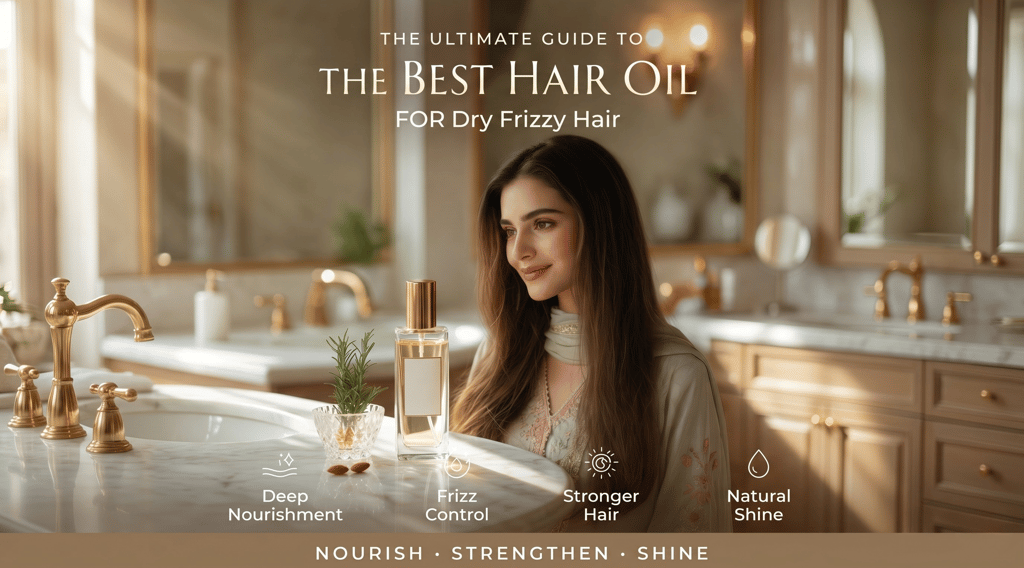
The Ultimate Guide to the Best Hair Oil for Thin Hair in Pakistan (2026), Volume, Strength and Zero Greasiness
You've probably been told your whole life to oil your hair regularly, and in Pakistan, reaching for that bottle of mustard or coconut oil is practically second nature. But if you have thin or fine hair, the very oils you've been trusting may be the reason your hair looks flatter and limper than ever. In this guide, you'll discover exactly which lightweight oils actually work for fine hair, which local brands you can find right now in Pakistan, and how to apply them so your hair gets the volume and strength it deserves, not greasiness.
Key Takeaways
Thin or fine hair requires lightweight, fast absorbing oils that nourish without weighing strands down. Heavy oils like mustard or castor can actually worsen flatness and buildup.
Rosemary oil, jojoba oil, argan oil, and kalonji (nigella seed) oil are among the most effective and locally accessible options for hair volume and thickness in Pakistan.
Application technique matters as much as product choice. Applying oil only to the scalp or mid lengths before washing, rather than all over dry hair, prevents the greasy, flat look common with fine hair.
Quality hair oils for thin hair are available in Pakistan through Daraz, Naheed Pharmacy, Imtiaz Super Store, and local cosmetics shops, with options ranging from budget friendly local brands to mid range international ones.
Consistent weekly oiling, 1 to 2 times per week, combined with a volumizing shampoo produces better long term results than daily heavy oiling.
DIY oils using kalonji and jojoba, both widely available in Pakistani markets, offer an affordable, effective alternative to commercial products.
There is no single best oil for all thin hair. The right choice depends on your specific concern: hair fall, breakage, lack of volume, or scalp health.
What Is a Hair Oil for Thin Hair and How Is It Different From Regular Hair Oil?
A lightweight hair oil for thin hair is one with a low molecular weight that absorbs quickly into the scalp and strands without leaving residue, allowing the hair to retain volume and movement. This is the core distinction that most Pakistani haircare guides completely miss, and it matters more than the brand name on the bottle.
Regular hair oils, particularly thick ones like mustard (sarson ka tail) or pure castor oil, are formulated to coat the hair shaft heavily. For thick, coarse hair that needs sealing and deep conditioning, that is exactly what you want. For fine or thin hair, however, that same coating effect becomes a liability. It drags individual strands down, clumps them together, and creates the greasy, flat look that fine haired women dread.
Lightweight oils such as jojoba, argan, grapeseed, and rosemary infused formulas have smaller molecules. They penetrate the cortex of the hair shaft rather than sitting on top of it, which means they nourish from within without adding visible weight. For thin hair, this molecular difference is everything.
Think of it this way: a fine haired strand is like a thin silk thread. Pouring cooking oil on silk weighs it down immediately. But a dry oil like argan is more like a serum that the thread absorbs invisibly. The thread stays light, smooth, and strong. That is the effect you are going for.
Why Do Heavy Oils Like Mustard and Coconut Oil Make Thin Hair Worse?
Heavy oils flatten fine hair because their large molecular structure prevents absorption, leaving a coating on the hair shaft that adds weight and attracts dust and pollution particles. This is why many Pakistani women with thin hair report that their hair looks worse, not better, after the traditional weekly oil massage.
In Pakistan, mustard oil (sarson ka tail) and coconut oil have been beauty staples for generations, and rightly so. For thick, coarse, or dry hair types, they are genuinely effective. But fine hair operates differently. According to a 2021 study published in the International Journal of Trichology, oils with high saturated fat content like coconut and mustard form a surface film that does not penetrate fine hair's thinner cuticle effectively, leading to buildup rather than conditioning. Source: International Journal of Trichology, 2021.
Moreover, castor oil, another popular recommendation, has one of the highest viscosity ratings of any carrier oil. While it can stimulate scalp circulation when used sparingly, applying it liberally on thin hair clogs follicle openings and weighs individual strands to the point of breakage. Over time, this can actually worsen thinning.
There is also a climate factor that Pakistani women rarely consider. In high humidity cities like Karachi, heavy oils attract moisture from the air and cause fine strands to clump and lose shape far faster than in drier climates like Lahore or Islamabad. So the same oil can behave differently depending on where you live. Choosing a lighter, climate appropriate oil is not just a preference. For fine hair in coastal Pakistan, it is a necessity.
Which Ingredients in Hair Oil Actually Thicken and Volumize Fine Hair?
The most effective ingredients for thin hair are those that either stimulate follicle activity, strengthen individual strands, or moisturize without adding molecular weight. Here is a breakdown of the key players, many of which are available right now in Pakistani markets.
Rosemary Oil, The Science Backed Growth Stimulator
Rosemary oil has been shown in clinical studies to be as effective as 2% minoxidil in stimulating hair growth, making it one of the most evidence backed options for fine or thinning hair. A landmark study published in SKINmed Journal (2015) tested rosemary oil against minoxidil over six months and found comparable regrowth results with significantly less scalp irritation. Source: SKINmed Journal, 2015.
Rosemary oil works by improving microcirculation in the scalp, which delivers more oxygen and nutrients to hair follicles. For thin hair that is thinning due to poor scalp circulation, common in women who tie their hair tightly or sit at desks all day, this can make a meaningful difference within weeks.
Jojoba Oil, The Sebum Mimic
Jojoba oil is technically a liquid wax that closely mimics the scalp's natural sebum, making it one of the most effective noncomedogenic oils for fine hair that needs moisture without weight. Because jojoba's structure is so similar to the scalp's own oils, the follicles absorb it without triggering excess oil production, meaning it will not make thin hair greasy or flat.
Jojoba is widely available in Pakistan through herbal stores, Daraz, and even some pharmacies. It is a staple ingredient to look for on the label of any commercial hair oil for fine hair.
Kalonji Oil, Pakistan's Own Superfood for Hair
Kalonji oil, derived from Nigella sativa seeds, contains thymoquinone, an active compound with anti inflammatory and antioxidant properties that support scalp health and may reduce hair thinning caused by inflammation. This matters because a significant portion of hair thinning in women aged 20 to 40 is linked to scalp inflammation from pollution, hard water, or product buildup, all of which are common concerns in Pakistani urban areas.
Kalonji is one of Pakistan's most trusted home remedies (desi nuskha), and for good reason. It is backed by modern science too. A 2014 study found that topical application of Nigella sativa oil significantly reduced hair loss in participants over three months. Source: Journal of Dermatology and Dermatologic Surgery, 2014.
Argan Oil, The Lightweight Luxury
Argan oil, often called "liquid gold," is one of the lightest carrier oils available. It is rich in Vitamin E and oleic acid, which strengthen hair elasticity without adding heaviness. Fine hair that breaks easily at the ends benefits enormously from argan's sealing properties when applied mid length to tips after washing.
Amla Oil, The Volume Booster
Amla (Indian gooseberry) oil has been used in the subcontinent for centuries for a very good reason: it is rich in Vitamin C and tannins, which help strengthen the hair follicle, improve scalp elasticity, and add a natural body to fine strands over time.
Grapeseed Oil and Peppermint Oil
Grapeseed oil is extremely lightweight, one of the lightest carrier oils, and nearly odorless, making it an ideal base for DIY hair oil blends. Peppermint oil, used as an essential oil additive (never alone), stimulates the scalp with a cooling sensation that also improves blood flow to follicles. A 2014 Korean study found that peppermint oil outperformed minoxidil in promoting hair growth in mice. Source: Toxicological Research, 2014.
Top 8 Best Hair Oils for Thin Hair Available in Pakistan (2026)
The best hair oil for thin hair in Pakistan in 2026 is one that combines a lightweight carrier oil base with either a growth stimulating active like rosemary or kalonji or a strengthening ingredient like argan or amla, without mineral oil, heavy silicones, or high viscosity fillers. Here are eight options you can actually find in Pakistan right now.
Rank Product Key Ingredients Best For Where to Buy Price (PKR) 1 Ollexo Hair Growth And Nourishing Oil Kalonji, jojoba, amla Hair fall + thinning ollexo.pk, Daraz Rs. 800 to 1,200 2 Hemani Rosemary Hair Oil Rosemary, argan Volume + scalp health Daraz, Hemani stores Rs. 400 to 600 3 Saeed Ghani Amla Oil Amla, coconut (light blend) Strengthening + growth Naheed Pharmacy, Daraz Rs. 300 to 500 4 Vatika Enriched Coconut Oil (Light) Coconut, henna, amla Budget friendly overall Imtiaz, Naheed, Daraz Rs. 350 to 500 5 OGX Renewing Argan Oil of Morocco Argan oil, silk proteins Frizz + breakage Naheed Pharmacy, Daraz Rs. 2,200 to 3,000 6 Moroccanoil Treatment (Light) Argan oil, linseed extract Styling + shine Selected beauty stores, Daraz Rs. 3,500 to 5,000 7 Hemani Grapeseed Oil (Pure) 100% grapeseed DIY blending, lightweight base Daraz, herbal stores Rs. 350 to 600 8 WOW Skin Science Onion Black Seed Oil Onion extract, black seed, argan Hair fall control Daraz Rs. 1,500 to 2,200
1. Ollexo Hair Growth And Nourishing Oil, Best Overall for Thin Hair in Pakistan
Why it suits thin hair: The kalonji jojoba base keeps it lightweight while the kalonji's thymoquinone content actively works on scalp inflammation, the root cause of thinning in many urban Pakistani women. No mineral oil. No heavy silicones. The formula is locally developed with Pakistan's water quality and climate conditions in mind.
You can order directly from ollexo.pk or through Daraz for fast nationwide delivery.
Pros: Locally formulated for Pakistan's water and climate conditions; affordable; free from harsh sulfates and parabens in companion products; combines three proven ingredients in one bottle.
Cons: Requires consistent use over 4 to 6 weeks for visible results.
2. Hemani Rosemary Hair Oil, Best for Scalp Stimulation
Why it suits thin hair: Hemani's rosemary blend is one of the few affordable rosemary based oils available at physical stores across Pakistan. Rosemary's proven effect on microcirculation makes it ideal for women experiencing diffuse thinning.
Pros: Widely available at Hemani outlets and Daraz; strong herbal credentials; pleasant scent.
Cons: The base oil is not as light as pure jojoba. Best used as a scalp treatment rather than all over application.
3. Saeed Ghani Amla Oil, Best Budget Pick for Strengthening
Why it suits thin hair: Saeed Ghani is a trusted Pakistani brand with decades of herbal credibility. Their amla oil is lighter than traditional mustard based formulas and available at virtually every Naheed Pharmacy and Imtiaz branch.
Pros: Very affordable; widely available; effective for breakage and split ends.
Cons: Not the lightest formula. Use sparingly on roots.
4. OGX Renewing Argan Oil of Morocco, Best International Pick for Fine Hair
Why it suits thin hair: OGX's argan formula is specifically designed as a finishing and treatment oil, not a heavy conditioning oil. A few drops on damp hair before blow drying adds shine and reduces frizz without weighing strands down.
Pros: Widely available on Daraz; internationally trusted; very lightweight texture.
Cons: Pricier than local options. Some formulations contain silicones so check the label before purchasing.
5. Moroccanoil Treatment Light, Best Premium Pick
Why it suits thin hair: Moroccanoil Light is specifically formulated for fine and blonde hair, making it one of the rare international products engineered exactly for this hair type. The linseed extract adds body while argan adds shine.
Pros: Exceptional results for post wash styling; lasts a long time because a little goes a very long way.
Cons: Expensive; harder to find offline in Pakistan; not the right choice as a scalp treatment.
How Should You Apply Hair Oil on Fine Hair Without Making It Look Greasy?
The correct technique for applying oil to thin hair is scalp focused, pre wash application using no more than half a teaspoon of oil, massaged with fingertips rather than palms. Most Pakistani women are taught to apply oil generously all over the hair and leave it overnight. This is excellent advice for thick hair, but it is the number one reason fine haired women walk around with flat, heavy, limp hair after oiling.
Follow this step by step method instead:
Step 1: Choose the right time. Apply your hair oil 30 to 60 minutes before washing, not overnight, and not on dry, unwashed hair. Fine hair has fewer strands to anchor heavy oil molecules, and overnight application almost always leads to buildup.
Step 2: Warm the oil. Pour a small amount, about half a teaspoon for shoulder length hair, into your palm and warm it between both hands for 10 seconds. Warm oil has lower viscosity and penetrates the scalp more effectively.
Step 3: Apply to the scalp only. Use your fingertips, not your palms, to massage the oil in small circular motions directly onto the scalp. Avoid the hair lengths entirely in this step.
Step 4: Apply a tiny amount to mid lengths and ends. After the scalp application, rub any remaining oil between your fingertips and lightly run them through the mid lengths and ends only. The roots should be virtually untouched.
Step 5: Wash out thoroughly. Apply shampoo before wetting your hair. This dry shampoo method emulsifies the oil far more effectively than wetting first. Rinse, then shampoo a second time if needed.
Step 6: Post wash serum application (optional). For extra shine without weight, apply 2 to 3 drops of argan oil to towel dried hair and blow dry upside down for volume. This is a post wash technique, not an overnight treatment.
Can You Make a DIY Lightweight Hair Oil for Volume at Home in Pakistan?
Yes, a DIY lightweight hair oil for fine hair can be made at home in Pakistan using ingredients available at any local kirana store, herbal shop, or pharmacy, with results comparable to mid range commercial products. The key is choosing the right base oil and adding active botanicals in the correct ratio.
Recipe 1: Kalonji and Jojoba Scalp Stimulator
This is the most effective DIY recipe for thin hair in Pakistan. Both ingredients are widely available at herbal stores, Daraz, and many pharmacies.
Ingredients:
4 tablespoons jojoba oil (base)
1 tablespoon kalonji (nigella seed) oil
5 drops rosemary essential oil (optional, from herbal stores)
Method: Combine all ingredients in a dark glass bottle. Shake well. Apply 1 teaspoon to the scalp 45 minutes before washing. Store in a cool, dry place for up to 3 months.
Why it works: Jojoba mimics scalp sebum, kalonji reduces inflammation, and rosemary stimulates circulation. The blend is lightweight enough to fully wash out in a single shampoo session.
Recipe 2: Amla and Argan Strengthening Blend
This recipe targets breakage and adds body to individual strands. It is ideal for fine hair that feels limp and snaps easily.
Ingredients:
3 tablespoons argan oil
2 tablespoons amla oil
3 drops peppermint essential oil
Method: Mix in a dark bottle. Use one quarter teaspoon on the scalp and run fingers through mid lengths only. Leave for 30 minutes and wash out. Use twice a week for 6 weeks to see structural improvement.
What Are the Most Common Oiling Mistakes That Make Thin Hair Look Worse?
The most damaging mistake Pakistani women with fine hair make is applying a large amount of heavy oil all over dry hair and leaving it overnight, a habit that causes buildup, follicle congestion, and the appearance of even thinner, flatter hair. Here are the five most common errors to avoid:
Mistake 1: Using too much product. More oil does not equal more nourishment for fine hair. Half a teaspoon is genuinely enough for medium length hair. Excess oil sits on the surface and adds weight without penetrating.
Mistake 2: Using the wrong oils. Traditional Pakistani oils, including mustard, pure coconut, and castor, are not suited for fine hair as primary treatments. They have high viscosity and large molecular weights that fine strands cannot absorb. Use them very sparingly or swap them entirely for lighter options.
Mistake 3: Applying oil to dry, unwashed hair all over. Applying hair oil to dry, unwashed hair in large amounts is one of the most common mistakes for people with fine hair, as the oil coats the hair shaft without penetrating, leading to buildup and flatness rather than nourishment.
Mistake 4: Skipping thorough washing. Many women with thin hair are afraid to wash their hair too often, so they leave oil in for 2 to 3 days before washing. In reality, after 1 to 2 hours, the oil has absorbed what it can. Any remaining oil on the surface just collects pollution and dust from Pakistan's urban air, worsening scalp conditions over time.
Mistake 5: Oiling every day. Fine hair needs breathing room. Daily oiling, even with lightweight oils, prevents the scalp's natural sebum production from normalizing. Stick to 1 to 2 times per week maximum for best results.
Is Kalonji Oil Good for Thin Hair and Where Can You Buy It in Pakistan?
Kalonji oil is one of the most effective locally available options for thin hair in Pakistan, particularly for women experiencing thinning due to scalp inflammation, hormonal changes, or nutritional deficiency. It contains thymoquinone, a phytochemical with documented anti inflammatory and antioxidant effects on hair follicles. Source: Phytotherapy Research, 2011.
You can find kalonji oil in Pakistan at:
Herbal and Unani stores (attar shops) in almost every city
Daraz.pk — search "kalonji oil" or "nigella seed oil"; brands like Hemani and Shiffa Home are reliable
ollexo.pk — the Ollexo Hair Growth And Nourishing Oil contains kalonji as a key active ingredient and ships nationwide
Naheed Pharmacy and Imtiaz Super Store in Karachi
Agha's and D Watson Pharmacy in Lahore and Islamabad
Pure, cold pressed kalonji oil typically costs between Rs. 300 to 800 for a 100ml bottle. Avoid versions that list mineral oil as the first ingredient as these are diluted heavily and provide minimal benefit.
Does Rosemary Oil Really Help With Hair Thinning and What Does the Research Say?
Rosemary oil is one of the only natural ingredients with clinical human trial evidence supporting its effectiveness for hair thinning, specifically androgenetic alopecia (pattern hair loss). The most widely cited study compared rosemary oil to 2% minoxidil over 6 months and found statistically similar hair count improvements in both groups, with fewer side effects in the rosemary group. Source: SKINmed Journal, 2015.
For Pakistani women, this is particularly relevant because androgenetic thinning, characterized by a widening part and overall diffuse volume loss, is the most common form of hair thinning in women aged 25 to 40, and it responds well to consistent rosemary oil scalp application.
Research also shows that rosemary's active compound, rosmarinic acid, inhibits the DHT related pathways that shrink follicles, meaning it addresses the hormonal root of thinning, not just the surface symptoms. Over 68% of women in the 2015 SKINmed trial reported visible improvement after 3 months of consistent use. Source: SKINmed Journal, 2015.
Rosemary essential oil must always be diluted in a carrier oil (1 to 10 ratio, about 5 drops per tablespoon of jojoba or argan) before scalp application. Never apply essential oils undiluted directly to skin.
What Is the Difference Between Hair Oils for Hair Fall vs. Hair Oils for Volume?
Hair oils for hair fall work by strengthening the hair follicle and reducing inflammation or DHT sensitivity at the scalp level, while hair oils for volume work by adding body and texture to individual strands without adding weight. These are different problems requiring different solutions, and many women mistakenly use one when they need the other.
Here is a simple breakdown:
Concern What You Need Best Oils Hair Fall (thinning follicles) Scalp stimulation and anti DHT action Rosemary, kalonji, peppermint Lack of Volume (flat, limp hair) Lightweight coating and body Argan, jojoba, grapeseed Breakage (weak strands) Protein and elasticity support Amla, argan, castor (used sparingly) Scalp Issues (dandruff, itching) Antifungal and anti inflammatory Kalonji, tea tree (diluted), neem
If you are experiencing both hair fall and flatness, which is extremely common, a kalonji jojoba blend addresses both simultaneously: kalonji handles the follicle health, jojoba handles the lightweight nourishment. The Ollexo Hair Growth And Nourishing Oil (available at ollexo.pk) combines exactly these two ingredients in a ready to use formula.
What's Next: Building a Full Haircare Routine for Thin Hair in Pakistan
A hair oil, no matter how good, works best as part of a consistent routine, and for thin hair in Pakistan, that routine has four core steps. Treating oiling as an isolated act without considering your shampoo, conditioner, and occasional protein treatment is like putting premium fuel in a car with a clogged filter.
Step 1: Lightweight oil treatment (1 to 2 times per week). Choose one of the oils listed above based on your primary concern such as hair fall, volume, or breakage. Apply using the scalp focused technique outlined earlier in this guide.
Step 2: Volumizing shampoo. Use a sulfate free volumizing shampoo that thoroughly cleanses without stripping moisture. Avoid shampoos with heavy silicones listed in the first 5 ingredients.
Step 3: Lightweight conditioner. Condition the mid lengths and ends only, never the roots. A leave in spray conditioner is ideal for fine hair as it provides moisture without weight.
Step 4: Monthly protein treatment. Fine hair breaks partly because it lacks structural protein (keratin). A monthly at home protein treatment, available at Naheed and on Daraz, can dramatically improve tensile strength over time.
Consistency across all four steps, rather than perfecting just one, is what produces lasting volume and strength in fine hair.
Conclusion: Find Your Perfect Oil and Give Your Hair the Volume It Deserves
The best hair oil for thin hair in Pakistan is the one that matches your specific concern, uses lightweight ingredients, and gets applied correctly and consistently. There is no single magic bottle, but there are excellent, accessible options for every budget and concern in 2026.
To summarize the top picks by concern:
For hair fall and thinning: Ollexo Hair Growth And Nourishing Oil (ollexo.pk), rosemary oil, or WOW Onion Black Seed Oil
For flatness and lack of volume: Jojoba oil, argan oil, or OGX Argan of Morocco
For breakage: Amla oil or Moroccanoil Treatment Light
For budget conscious buyers: Hemani Rosemary Oil, Saeed Ghani Amla Oil, or a DIY kalonji and jojoba blend
Start with one product. Apply it correctly. Give it six weeks. That is the honest timeline for any oil to show real, lasting improvement in fine hair, and if you are consistent, you will see a difference.
Your hair deserves care that is tailored to it, not the one size fits all advice that has been passed down for generations. Now you have the knowledge to make a smarter choice. Go find your oil, and give your hair the volume it was always capable of.
Written by Ali Raza CEO, Ollexo | 10 Plus Years of Experience in the Oil Industry
Ali Raza is the CEO of Ollexo and has spent over a decade in the oil industry, developing deep expertise in oil formulation, ingredient science, and consumer haircare. He is passionate about sharing practical, science backed insights that help Pakistani consumers make smarter, healthier product choices.
Reviewed by the Ollexo Editorial Team Haircare and Ingredient Specialists.